Modern Bathroom Design Trends Shaping Homes in 2026
Introduction
Bathrooms are becoming calmer, smarter, and more intentional in 2026. Designers are blending practical storage, spa-like comfort, water-conscious technology, and expressive materials without turning every washroom into a showroom. The result is a space that supports busy routines while still offering a little daily luxury, preferably without requiring a towel-folding degree.
Advertisement
Warm Minimalism Replaces Stark Simplicity
One of the clearest themes in These 2026 Bathroom Design Features Are Getting Attention is the move from cold minimalism toward warm minimalism. Instead of brilliant white walls, sharp black accents, and rooms that resemble stylish laboratories, designers are using creamy neutrals, soft taupes, muted greens, and earthy browns. These colors create a more welcoming atmosphere while remaining flexible enough for future updates. Natural timber, oak-effect cabinetry, brushed brass, and textured plaster add visual warmth without overwhelming a compact room. The goal is not to fill every surface with decoration; it is to make simplicity feel comfortable rather than severe.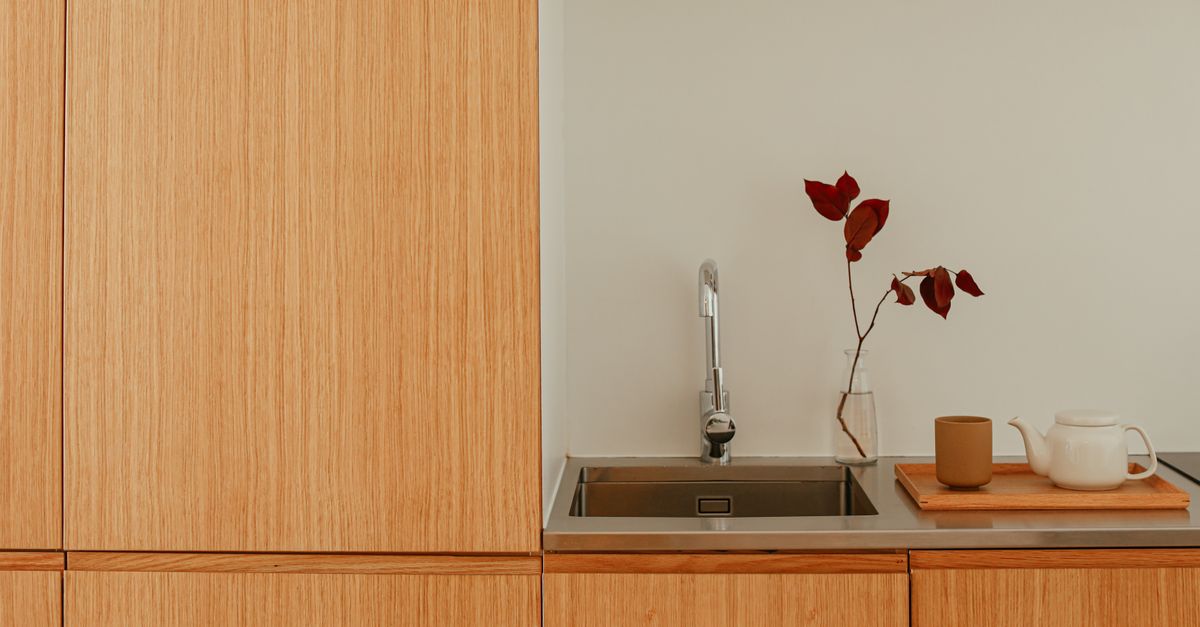
Advertisement
Statement Stone Adds Character
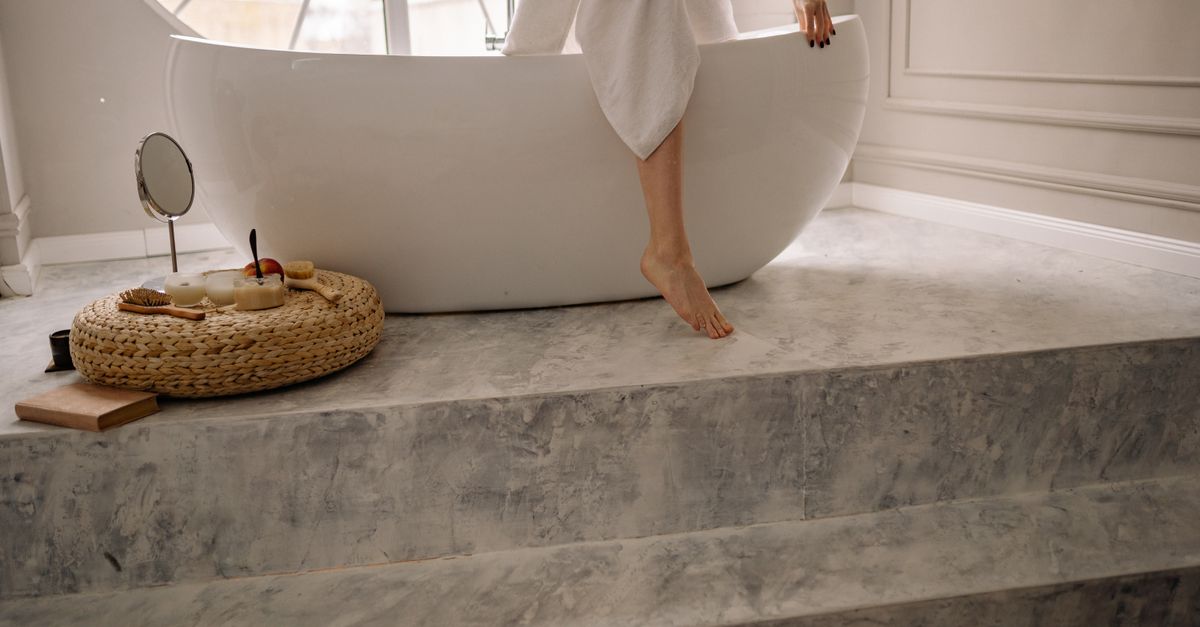
Materials are also becoming more expressive. These 2026 Bathroom Design Features Are Getting Attention because statement stone is bringing pattern and personality to walls, countertops, and shower niches. Veined marble, travertine, terrazzo, and convincing porcelain slabs can create a focal point with fewer individual materials. Large-format surfaces are especially useful because they reduce grout lines, making rooms feel cleaner and more spacious. Porcelain remains a practical choice for households that want the appearance of natural stone without its higher maintenance demands. Used thoughtfully, one dramatic surface can do the visual heavy lifting while the rest of the room stays pleasantly restrained.
Advertisement
Showers Become the Main Event
The shower is taking center stage, and These 2026 Bathroom Design Features Are Getting Attention through more generous, carefully planned shower zones. Walk-in showers with frameless glass help maintain visual flow, while built-in benches provide a useful perch for shaving, bathing children, or simply enjoying a few quiet minutes. Multiple showerheads, including overhead rain fixtures and adjustable hand sprays, add flexibility, but good drainage and sensible water pressure matter more than collecting gadgets. Linear drains, concealed controls, and recessed shelving keep the space streamlined. A well-designed shower can feel luxurious without needing the footprint of a hotel suite.
Advertisement
Smarter Features, Used More Sensibly
Technology is entering the bathroom in a quieter, more practical way. These 2026 Bathroom Design Features Are Getting Attention because smart mirrors now combine adjustable lighting, demisting functions, and discreet information displays, while intelligent toilets can offer heated seats, automatic lids, and self-cleaning features. Leak sensors and water-monitoring systems are less glamorous but arguably more useful, helping households identify problems early and reduce waste. Even lighting is becoming more responsive, with layered settings for grooming, relaxation, and nighttime visits. The best technology disappears into the design rather than demanding attention like a tiny screen-hungry robot.
Advertisement
Storage Gets More Thoughtful
Clutter control is another major priority. These 2026 Bathroom Design Features Are Getting Attention by treating storage as part of the architecture rather than an afterthought. Wall-mounted vanities make floors easier to clean and can create a lighter visual effect, while tall cabinets use vertical space efficiently. Drawer organizers, mirrored medicine cabinets, pull-out laundry hampers, and recessed niches give everyday products a proper home. Designers are also planning storage around real routines, separating frequently used items from backups and cleaning supplies. This approach keeps countertops calmer and prevents the familiar morning ritual of searching for toothpaste beneath a small avalanche of bottles.
Advertisement
Color Returns in Carefully Measured Doses
Although neutral schemes remain popular, color is returning with greater confidence. Deep blue, olive, terracotta, clay, and dusty pink are appearing on cabinetry, tiles, and painted walls. The important shift is restraint: color is being used to establish mood, not to create a theme park. A saturated vanity can anchor an otherwise quiet room, while colored grout or a patterned floor can add interest without dominating it. These choices also make smaller bathrooms feel more personal. Paint and accessories offer relatively easy ways to experiment, whereas permanent tile decisions deserve more patience than an impulsive late-night scroll through inspiration boards.
Advertisement
Accessibility Becomes Better Design
Inclusive planning is increasingly integrated into attractive, everyday bathrooms rather than treated as a separate category. Wider clearances, curbless showers, handheld sprays, comfortable seating, lever handles, and well-placed grab bars can improve usability for people of different ages and abilities. These decisions also make a room more adaptable over time, which is valuable as household needs change. Good lighting and slip-resistant flooring support both safety and comfort without making the space look institutional. The strongest designs prove that accessibility and style are not rivals; they are teammates who finally remembered to coordinate their outfits.
Advertisement
Sustainability Moves Beyond Buzzwords
Environmental responsibility is becoming more specific and practical. Low-flow taps, dual-flush toilets, efficient shower systems, durable finishes, and responsibly sourced materials can reduce a bathroom’s long-term impact. Reusing a solid vanity, choosing repairable fittings, or selecting timeless tile may be more sustainable than replacing an entire room every few years. Ventilation also deserves attention because effective moisture control protects finishes and improves the room’s longevity. These choices are not merely fashionable extras. They can reduce utility use, limit waste, and create interiors that remain useful long after a particular trend has wandered off to find a new social-media home.
Advertisement
Conclusion
These 2026 Bathroom Design Features Are Getting Attention because they combine comfort, practicality, personality, and responsible resource use. Warm materials, expressive stone, improved storage, smarter technology, adaptable layouts, and measured color are shaping bathrooms that feel both current and enduring. The strongest results come from choosing features that suit daily routines rather than copying every fashionable detail. In 2026, the bathroom is becoming less of a purely functional stop and more of a thoughtfully designed part of the home.
Advertisement